.png)
The Benefits of a Holistic Approach to Designing Spaces
In today's fast-paced world, the spaces we inhabit profoundly impact our mental and physical well-being. A holistic approach to design is crucial in creating environments that promote health, sustainability, and a sense of community. This method encompasses various aspects of space – aesthetics, functionality, and psychological effects. Understanding how to implement such a philosophy can lead to transformative spaces.
The Holistic Design Approach in Spaces
A holistic design approach considers the bigger picture of how we interact with our environments. This method factors in elements like natural light, airflow, color psychology, and acoustics. Instead of creating spaces in isolation, a holistic design connects various aspects to elevate the overall experience.
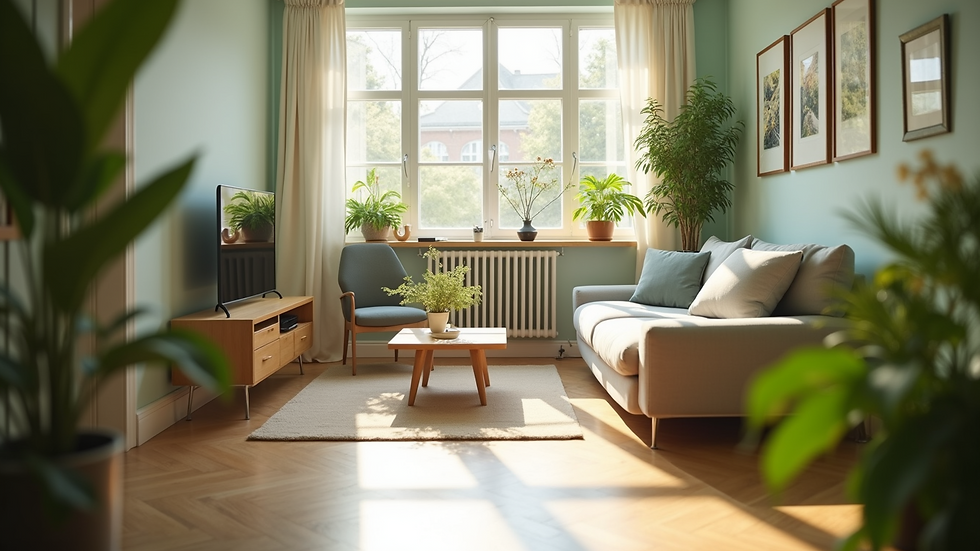
For example, using natural materials like wood and stone can improve air quality and enhance physical comfort. Interior design using these elements creates an inviting atmosphere that feels grounded and natural. Furthermore, integrating plants into spaces not only beautifies but also cleans the air and can reduce stress levels.
Why Choose a Holistic Approach?
Adopting a holistic approach to designing spaces offers numerous benefits that go beyond aesthetics. Here are some key advantages:
1. Improved Well-Being
There is a growing body of evidence that shows how environmental factors influence mental and physical health. Spaces designed with human health in mind can significantly reduce stress levels. For instance, incorporating natural elements, like sunlight and greenery, can evoke feelings of calm and relaxation.
Research indicates that exposure to nature, even in indoor environments, can decrease anxiety and promote a sense of peace. Such benefits enhance productivity and creativity, making a holistic approach a vital choice for workspaces.
2. Enhanced Functionality
A space that works well for its intended purpose improves its overall effectiveness. A holistic approach focuses on the flow of a space, ensuring that each area serves its function while being visually appealing.
For example, an open-plan office fosters collaboration by removing barriers while still allowing for private nooks conducive to focused work. When designers prioritize functionality alongside aesthetics, they create spaces that cater to diverse needs.

3. Sustainable Design
Sustainability is becoming a critical factor in design decisions. A holistic approach inherently promotes sustainable practices by considering the entire lifecycle of materials and designs.
From energy-efficient lighting solutions to sustainable building materials, a holistic perspective encourages a reduction in waste and environmental impact. Designers can create spaces that are not only beautiful and functional but also environmentally friendly.
What is the Integrative Design Process?
The integrative design process is an essential part of creating successful holistic spaces. It is a collaborative approach that unites various stakeholders, including architects, engineers, and contractors, during all phases of design. This method fosters creativity by pooling ideas and expertise, leading to innovative solutions that may not have developed in a linear design process.
During this process, input from future users of the space can also lead to tailored solutions that ensure user satisfaction. By considering the needs of all stakeholders and the environmental context from the beginning, integrative design creates spaces that truly resonate with their intended purpose.
Key Steps in the Integrative Design Process
Define Objectives: Establish what the space should achieve in terms of function, sustainability, and user experience.
Collaborate: Involve all relevant stakeholders from the outset, ensuring that various viewpoints are represented.
Evaluate Options: Generate multiple design solutions, weighing their impacts on health, sustainability, and functionality.
Implement and Test: Execute designs and be prepared to make refinements based on real feedback and performance.

Real-Life Examples
Many successful projects highlight the benefits of a holistic approach:
1. Green Schools
Schools designed with a focus on natural light, outdoor access, and sustainable materials often report increased student performance and well-being. For instance, the Green School in Bali showcases a bamboo structure that promotes learning through nature, resulting in a unique and engaging educational experience.
2. Biophilic Office Design
Many businesses are now embedding biophilic design—incorporating nature into the workplace. Companies like Amazon and Google have integrated green spaces, water features, and natural lighting in their office spaces. This enhances employee satisfaction and reduces stress, leading to higher productivity.
3. Healing Environments in Hospitals
Hospitals that prioritize holistic design elements, such as natural ventilation, art, and access to nature, create healing environments. The Maggie's Centres across the UK exemplify this, using calming atmospheres to enhance patient recovery and support.
Tips for Implementing a Holistic Design Approach
Adopting a holistic design approach in your own spaces requires intention and planning. Here are some practical tips:
Assess Your Space: Identify how each area serves its intended purpose and examine its design elements.
Prioritize Natural Light: Maximize natural lighting by using larger windows or skylights. This not only improves the atmosphere but can also lower energy costs.
Incorporate Nature: Utilize plants and natural textures to create a calming environment that promotes well-being.
Choose Sustainable Materials: Select materials that are eco-friendly, durable, and safe. This aligns with both personal values and growing environmental concerns.
The Future of Holistic Design
The future of design is moving towards a more integrated perspective, where wellness, functionality, and sustainability intersect. Corporate offices are increasingly adopting holistic approaches to foster employee happiness and productivity. Similarly, residential design trends are shifting towards creating sanctuaries that prioritize health and well-being.
As more people become aware of these benefits, the demand for holistic design will continue to rise. Through education and collaboration, designers can transform the way we experience our spaces, leading to healthier and happier lives.
By adopting a holistic design approach, you not only enhance the aesthetic appeal of your spaces but also create environments that nurture health and sustainability. Embracing this philosophy can make a significant difference in how you interact with your surroundings, ultimately enriching your quality of life. Whether at home, work, or school, the spaces we inhabit can support our well-being in countless ways.


Comments